

2026 Winter Olympics Womens Snowboarding Halfpipe
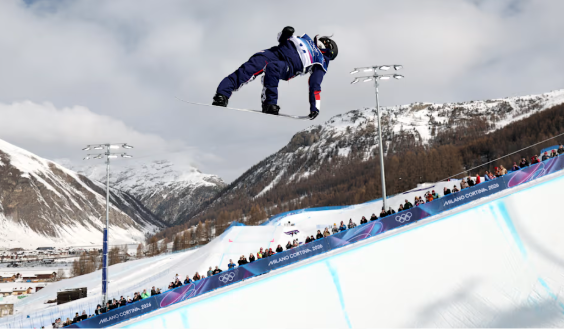
Introduction to the 2026 Winter Olympics Womens Snowboarding Halfpipe
The 2026 Winter Olympics womens snowboarding halfpipe event is already shaping up to be one of the most electrifying competitions of the entire Games. If you have ever watched an athlete launch herself fifteen feet into the air, spinning with precision before landing perfectly on a wall of snow, then you already understand the magic. It is not just a sport. It is art in motion. It is controlled chaos. And in 2026, the spotlight is brighter than ever.
Snowboarding halfpipe has evolved massively over the past two decades. What once felt like a niche winter sport is now one of the headline grabbing Olympic events. The womens division in particular has seen a technical revolution. Riders are pushing amplitude higher, rotations faster, and trick combinations more complex than ever before. In 2026, the expectations are sky high.
Sports lovers are searching for everything about the 2026 Winter Olympics womens snowboarding halfpipe. Who are the favorites. What tricks will dominate. How does scoring actually work. And which country will claim gold. At 100percentsurewins.com, the goal is simple. Break it down clearly, confidently, and with insight you can actually use.
The Milano Cortina 2026 Winter Games promise fresh storylines, fierce rivalries, and breakthrough performances. The womens halfpipe is not just another event on the schedule. It is a headline act. If you want to stay ahead of the curve and truly understand what is coming, you are exactly where you need to be.
Why the Women’s Halfpipe Event Is Dominating Search in 2026
Search trends do not lie. The phrase 2026 Winter Olympics womens snowboarding halfpipe has surged in global search data months before the Games even begin. Why the sudden spike. Simple. This event blends athleticism, risk, personality, and drama in a way very few Olympic sports can.
The modern sports audience loves authenticity. Womens halfpipe delivers it in raw form. These athletes train year round, often in brutal conditions, to land tricks that most people cannot even comprehend. When a rider drops into the pipe, there is no script. Just skill, nerve, and split second decisions.
Another factor driving search growth is the rise of social media visibility. Many top female snowboarders have strong online followings. Fans connect with their training clips, injury comebacks, and behind the scenes moments. By the time the 2026 Winter Olympics begin, viewers already feel emotionally invested.
There is also a technical reason. The level of progression in womens halfpipe has accelerated dramatically since the previous Games. Double corks are becoming standard. Switch tricks are cleaner. Grabs are more stylized. The judges expect near perfection. Viewers know they are about to witness history.
At 100percentsurewins.com, understanding these trends matters. Authority online in 2026 is built on depth, clarity, and real insight. The womens halfpipe event checks every box for engagement, unpredictability, and global appeal.
History of Womens Snowboarding Halfpipe in the Winter Olympics
To understand the magnitude of the 2026 Winter Olympics womens snowboarding halfpipe event, you need to look back. Womens halfpipe made its Olympic debut in 1998. Back then, the tricks were simpler. The amplitude was lower. The field was smaller. But the foundation was laid.
Over the years, the progression has been dramatic. Early champions focused on clean straight airs and simple spins. By the mid two thousands, riders began introducing inverted tricks more consistently. Then came the era of technical dominance, where amplitude, spin rotation, and grab execution combined into complete runs.
One of the biggest shifts came when female riders began landing double cork variations consistently in competition. That moment changed expectations forever. Judges raised scoring standards. Training intensified. The sport entered a new phase of athletic professionalism.
Each Olympic cycle has delivered iconic performances. Gold medal runs that are replayed for years. Heartbreaking falls that remind us how unforgiving the halfpipe can be. The womens division has not only kept pace with the mens progression. In many ways, it has carved its own distinct style and identity.
Heading into 2026, the legacy of past champions hangs in the air. Every rider dropping into that pipe understands she is part of a timeline that stretches back nearly three decades. The evolution continues. And history is waiting for its next defining moment.
What Makes the 2026 Winter Olympics Halfpipe Different
Every Olympic Games claims to be unique. But 2026 genuinely stands apart for the womens snowboarding halfpipe. The technical ceiling is higher than ever. The depth of talent is wider. And the global competition is tighter.
First, training methods have evolved. Athletes now use airbag facilities to safely practice complex tricks before attempting them on snow. Video analysis software breaks down body positioning frame by frame. Strength and conditioning programs are tailored specifically to maximize explosive pop while protecting knees and hips.
Second, judging standards have matured. Judges now reward not only difficulty but flow and originality. A rider cannot simply throw the hardest trick and expect gold. Style matters. Execution matters. Consistency matters. The complete run must tell a story.
Third, the international field has expanded. Riders from Asia, Europe, and North America are all legitimate medal threats. There is no single dominant nation heading into 2026. That unpredictability is fueling massive fan interest.
Finally, fan engagement has changed. Real time analytics, social commentary, and digital coverage mean that every run is dissected instantly. Viewers are more informed. They understand scoring breakdowns. They recognize trick names. The audience is smarter than ever.
The 2026 Winter Olympics womens snowboarding halfpipe event will not just be another chapter. It will be a benchmark moment. And those who follow closely through 100percentsurewins.com will have a clearer perspective on what truly separates contenders from champions.
Official Venue and Course Design for 2026
The venue for the 2026 Winter Olympics womens snowboarding halfpipe is more than just a snowy bowl carved into a mountain. It is a carefully engineered performance arena. Every angle, every wall height, every inch of transition matters. Riders feel the difference immediately. And trust me, fans will too.
For 2026, the halfpipe is expected to meet elite world championship standards. We are talking about walls that rise roughly 22 feet high, perfectly symmetrical transitions, and a length that allows for six high impact hits per run. That is six opportunities to either build a gold medal score or completely lose momentum. No pressure, right?
Snow quality plays a massive role. Organizers spend weeks sculpting, reshaping, and maintaining the pipe. The surface must be firm enough for speed but not icy to the point of unpredictability. Too soft and riders lose amplitude. Too hard and landings become risky. It is a delicate balance.
Lighting is another detail fans rarely think about. Shadows can affect depth perception. For athletes launching 15 to 20 feet above the lip, visual clarity is crucial. The 2026 setup is designed to minimize visual distortion, giving riders a clean view of the walls during rotations.
The Milano Cortina setting also adds atmosphere. European crowds bring a different energy. Louder, more animated, more reactive. That emotional charge feeds directly into performance. When a rider drops in and hears thousands of fans roaring, something shifts. Adrenaline spikes. Focus sharpens.
This is not just a slope. It is a stage. And in 2026, that stage is built for progression, drama, and unforgettable moments.
Scoring System Explained for New Fans
If you are new to the 2026 Winter Olympics womens snowboarding halfpipe, the scoring system might look confusing at first glance. But once you break it down, it actually makes sense. Think of it like judging a gymnastics routine mixed with freestyle creativity.
Each rider typically gets two or three runs. The best score counts. Judges score on a 0 to 100 scale. That number reflects several key factors.
First, difficulty. How complex are the tricks. Are we seeing double cork 1080s. Switch rotations. High risk combinations. The harder the trick, the higher the potential reward.
Second, amplitude. This is huge. Judges love height. The higher above the lip a rider goes, the more impressive the run feels. Amplitude shows confidence and control.
Third, execution. Did the rider land cleanly. Were grabs held properly. Was there wobble on takeoff or landing. Small mistakes can cost big points.
Fourth, variety and progression. Repeating the same trick twice in a run lowers the overall score. Judges want to see a mix of spins, directions, and grabs.
Finally, flow. This is the secret ingredient. A gold medal run feels smooth from start to finish. No hesitation. No sketchy moments. Just seamless transitions from one hit to the next.
In 2026, expect winning scores to push into the mid to high 90s. The bar keeps rising. Riders know they must deliver near perfection to stand on the podium. Watching with this understanding makes every run more intense. You start noticing details. And suddenly, you are not just watching. You are analyzing.
Top Contenders to Watch in 2026
The 2026 Winter Olympics womens snowboarding halfpipe field is stacked. There are no easy medals here. Several athletes enter as legitimate gold threats, and the margins will be razor thin.
Look for riders who already dominate World Cup circuits. Consistency in international competition often translates to Olympic success. These athletes know how to handle pressure. They understand judging trends. They adjust mid season to refine trick selection.
A key factor in 2026 will be who has mastered the double cork variations with consistency. Landing it once is impressive. Landing it cleanly under Olympic pressure is something else entirely. Riders who can execute high difficulty tricks while maintaining flow will have the edge.
Another factor is experience. Veterans who have already competed in previous Winter Games bring composure. They have felt the Olympic spotlight. That familiarity matters when your heart is racing at the top of the pipe.
But do not underestimate hunger. Younger riders with nothing to lose often ride with fearless intensity. Sometimes that freedom leads to historic breakthroughs.
At 100percentsurewins.com, tracking performance data across competitions gives insight into momentum trends. Who is peaking at the right time. Who is recovering from injury. Who is experimenting with new trick combinations. In a sport where fractions of a point decide medals, preparation and timing are everything.
Rising Stars Who Could Shock the Podium
Every Olympics delivers at least one surprise. The 2026 Winter Olympics womens snowboarding halfpipe will be no different. Somewhere in the field is a rider most casual fans have not fully noticed yet. And she might just steal the spotlight.
Rising stars typically show flashes of brilliance in pre Olympic seasons. Maybe a breakthrough podium at a major event. Maybe a viral clip of a new trick landed in training. Those moments signal potential.
What separates a rising star from a consistent medalist is mental strength. Can she handle the cameras. The interviews. The noise. The expectation. The Olympic stage amplifies everything.
Young athletes often bring technical innovation. They are willing to attempt tricks that veterans might hesitate to introduce in competition. That boldness can either result in a fall or rewrite the scoreboard.
In 2026, the depth of the womens field makes upsets more likely. The technical gap between the top five and top ten riders has narrowed significantly. A single mistake from a favorite opens the door instantly.
Fans love underdog stories. They feel authentic. Raw. Emotional. When a rising star lands a near perfect run and the crowd erupts, it reminds us why we watch sports in the first place. Not just for predictable outcomes. But for possibility.
Training Routines and Preparation for Elite Riders
Preparing for the 2026 Winter Olympics womens snowboarding halfpipe is a year round commitment. There is no off season in reality. Just different phases of preparation.
Strength training focuses heavily on lower body power. Explosive squats. Plyometrics. Core stabilization. Riders need to generate maximum pop at takeoff while maintaining mid air control.
Cardio endurance matters more than people think. A single run lasts under a minute, but the intensity is extreme. Riders must maintain focus and physical control from first drop to final landing.
Mental preparation is equally important. Visualization techniques are common. Athletes mentally rehearse runs repeatedly. Every grab. Every spin. Every landing. By the time they drop in, they have already ridden the run hundreds of times in their mind.
Airbag facilities allow safe repetition of high risk tricks. Instead of risking injury on snow, riders practice rotations onto giant inflatable cushions. Once consistency is achieved, they transfer it to the halfpipe.
Nutrition, recovery, and sleep are tightly monitored. Ice baths. Physical therapy. Mobility sessions. The body absorbs heavy impact repeatedly. Without disciplined recovery, injuries become inevitable.
By the time 2026 arrives, these athletes are not just talented snowboarders. They are finely tuned performance machines. Behind every gold medal run lies years of quiet, relentless work.
Injuries, Risk and Mental Strength in Halfpipe Snowboarding
Let us be honest. Womens snowboarding halfpipe is dangerous. Launching high above icy walls and rotating multiple times before landing carries real risk. Injuries are part of the sport’s reality.
Common injuries include knee ligament tears, concussions, shoulder dislocations, and ankle damage. Recovery can take months. Sometimes a full year. For Olympic hopefuls, timing is everything. A mistimed injury can derail an entire four year cycle.
Mental recovery after injury is often harder than physical rehab. Trust must be rebuilt. Fear must be managed. The first time a rider attempts a trick again after a serious fall is a defining moment.
The 2026 Winter Olympics spotlight adds another psychological layer. Pressure can amplify doubt. But elite athletes develop coping mechanisms. Breathing routines. Focus cues. Mental resets after mistakes.
Resilience is the invisible trait that separates finalists from champions. Talent gets you into contention. Mental toughness keeps you there.
Watching from the outside, it is easy to see only the highlight reels. But behind every clean landing is a history of crashes, bruises, and moments of self doubt overcome.
How Weather Conditions Impact Performance
Weather can quietly influence the outcome of the 2026 Winter Olympics womens snowboarding halfpipe. Wind, snow texture, and temperature all matter more than most viewers realize.
Wind is the biggest variable. A strong gust at the lip can alter rotation timing mid air. Riders must adjust instinctively. Too much wind and amplitude becomes unpredictable.
Temperature affects snow firmness. Warmer conditions soften the pipe, reducing speed. Colder temperatures create faster surfaces but harder landings.
Visibility plays a role as well. Flat light makes depth perception difficult. When riders spin high above the pipe, split second visual cues determine landing precision.
Elite competitors adapt quickly. They inspect the pipe before competition. They adjust trick order based on speed. Flexibility becomes a competitive advantage.
In 2026, weather management and course maintenance teams will work nonstop to provide fair conditions. But nature always has a voice in outdoor sports.
Medal Predictions and Expert Analysis
Predicting medals in the 2026 Winter Olympics womens snowboarding halfpipe is thrilling and risky at the same time. The field is too deep for certainty. Still, patterns offer clues.
Athletes entering the Games with consistent podium finishes in the season prior often carry momentum. Confidence compounds performance.
Technical difficulty trends suggest that gold will require at least one high scoring double cork variation executed flawlessly. Silver and bronze may hinge on execution quality and amplitude consistency.
Watch for riders who peak late in the season. Peaking too early can lead to burnout. Olympic timing is strategic.
At 100percentsurewins.com, data analysis blends with human insight. Statistics matter. But so does body language. So does confidence in interviews. Small signals can foreshadow big results.
One thing feels certain. The podium in 2026 will reflect not just talent, but composure under maximum pressure.
Global Fan Interest and Media Coverage Trends
The global audience for the 2026 Winter Olympics womens snowboarding halfpipe is expected to reach record levels. Digital platforms have transformed how fans consume winter sports.
Short form clips of massive tricks circulate instantly. Athlete personalities shine through personal channels. Engagement feels direct and authentic.
Broadcast networks are also investing more heavily in storytelling. Viewers want backstories. Training journeys. Comebacks. Rivalries.
This blend of elite sport and human narrative fuels search demand. Fans do not just want results. They want context. Insight. Perspective.
That is where authoritative platforms stand out. Depth wins in 2026. Surface level summaries are not enough.
Betting Insights and Performance Trends at 100percentsurewins.com
For those analyzing performance trends seriously, 100percentsurewins.com provides layered insight into the 2026 Winter Olympics womens snowboarding halfpipe landscape.
Trend tracking includes recent competition scores, trick progression frequency, injury reports, and judging patterns. Smart analysis goes beyond hype.
Understanding consistency metrics matters. How often does a rider land her most difficult trick under pressure. How frequently does she score above ninety. Patterns reveal reliability.
Responsible sports analysis requires balanced perspective. Upsets happen. Weather shifts outcomes. Nerves impact execution.
But informed insight reduces guesswork. It sharpens expectations. And in a competition defined by fractions of a point, preparation makes all the difference.
warriors vs spurs
It is always a high pace matchup. The Warriors usually rely on perimeter shooting and ball movement. The Spurs focus more on structure and disciplined defense. Honestly it depends on roster health that night.
womens halfpipe olympics 2026
It will feature the most technically advanced field ever. Expect double cork combinations, huge amplitude and scores pushing the high nineties.
atletico madrid vs barcelona
Classic tactical chess match. Atletico brings defensive intensity. Barcelona leans on possession and creativity. Small mistakes decide it.
2026 年冬奥会女子单板滑雪 u 型场地技巧
该项目将在 2026 年冬奥会中成为焦点赛事。选手将展示高难度动作与流畅衔接,竞争非常激烈。
sri lanka vs oman
Usually competitive in limited overs cricket. Oman has improved rapidly in recent years. Sri Lanka carries deeper historical pedigree.
karen khachanov
Powerful baseline player with strong serve. When he finds rhythm he can trouble top ranked opponents, especially on hard courts.
2026 年冬奥会女子单板滑雪 U 型场地技巧 深度解析
2026 年冬奥会女子单板滑雪 U 型场地技巧项目被认为是本届冬奥会最具观赏性的比赛之一。随着技术的不断升级,女子选手的动作难度已经达到新的高度。双周翻转,高转体以及连贯的抓板动作都将成为争夺奖牌的关键。
比赛场地设计更加专业,U 型池高度和长度都符合世界顶级赛事标准。运动员需要在短短几十秒内完成多个高难度动作,并保持稳定落地。评分标准包括难度,高度,流畅度以及整体表现。
近年来,亚洲和欧洲选手实力明显提升,竞争更加国际化。中国,日本,美国和欧洲多国都有具备夺牌实力的运动员。2026 年的比赛不仅是技术比拼,更是心理和临场发挥的较量。
通过 100percentsurewins.com,观众可以深入了解选手状态,赛前分析以及趋势预测,更全面地理解这一项目的魅力。
Why 100percentsurewins.com Is Your Go To Authority for Olympic Insights
Authority in 2026 is not about flashy headlines. It is about depth, clarity, and consistent value. 100percentsurewins.com focuses on informed analysis of the 2026 Winter Olympics womens snowboarding halfpipe with layered perspective.
From historical trends to athlete readiness, from scoring breakdowns to environmental impact, comprehensive coverage builds trust. Readers want insight they cannot get from a quick social scroll.
Consistency matters. Accuracy matters. Clear explanation matters.
When the womens halfpipe final begins in 2026, informed fans will not just watch. They will understand exactly what they are seeing.
FAQs
When is the 2026 Winter Olympics womens snowboarding halfpipe event scheduled
The official Olympic schedule places snowboarding events during the middle portion of the Games, with qualification rounds preceding the medal final.
How high do riders go in the halfpipe
Elite athletes can reach fifteen to twenty feet above the lip depending on speed and conditions.
How many runs count toward the final score
Riders typically get multiple attempts, and the single highest scoring run determines ranking.
What tricks are expected to dominate in 2026
Double cork variations combined with switch spins and stylish grabs will likely define podium runs.
Where can I follow detailed performance analysis
100percentsurewins.com provides in depth insights, trend tracking, and expert breakdowns throughout the Olympic cycle.
Conclusion
The 2026 Winter Olympics womens snowboarding halfpipe promises progression, drama, and unforgettable athletic brilliance. The field is deeper. The tricks are harder. The stakes are higher. From venue design to medal predictions, every detail shapes the outcome.
Fans searching for clarity, context, and confident analysis will find real value in understanding how this event has evolved and where it is headed. When the first rider drops into the pipe in 2026, history will be waiting at the bottom.