

Ancelotti’s squad selection is questioned after Neymar’s poor performance
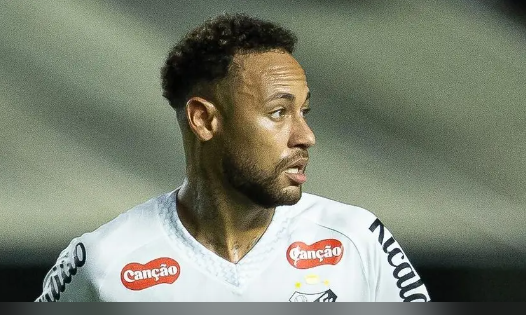
Analysis: Neymar’s lackluster performance increases doubts about Ancelotti’s squad selection.
National Team coach announces list this Monday (16)
Introduction to the Debate Around Neymar and Brazil’s Future Squad
Brazilian football rarely goes through quiet periods of debate, especially when the conversation centers around one of the most recognizable players in world football. Neymar has long been the centerpiece of Brazil’s attacking identity, but recent performances have sparked serious discussion among fans, analysts, and national team observers. A recent match where Neymar struggled to influence the game has intensified questions about whether he will remain a guaranteed choice when Carlo Ancelotti begins shaping Brazil’s squad.
The discussion is not simply about a single performance. Instead, it reflects a deeper conversation about form, fitness, tactical fit, and the direction Brazil wants to take as it builds toward upcoming international tournaments. Football fans know that even the greatest players can experience quiet games. Yet when those performances occur during moments of transition for a national team, the implications can feel much larger.
Brazil is entering a period where competition for attacking roles is stronger than it has been in years. Players such as Vinicius Junior, Rodrygo, and other emerging talents are performing at elite levels in European leagues. This creates a scenario where selection decisions will likely be based on current impact rather than past reputation. In such an environment, Neymar’s influence is being evaluated more critically than ever.
Another factor driving this debate is the anticipated leadership style of Carlo Ancelotti. The experienced Italian coach is known for balancing respect for star players with tactical discipline and team chemistry. That approach often means every player must justify their role within the system. No individual, regardless of reputation, is completely immune from scrutiny.
For analysts and sports observers, the central question becomes clear. Is Neymar still the player around whom Brazil should build its attack, or is the national team gradually transitioning toward a new generation? Understanding this situation requires examining Neymar’s recent performance, the tactical setup of the team, injury concerns, and even the reactions from football analysts and betting markets that track international football trends.
The following sections break down the performance in detail, explore the tactical dynamics at play, and examine how Neymar’s display has added uncertainty around future squad selections.
Neymar’s Recent Performance for Brazil
Neymar’s latest appearance for Brazil was expected to serve as another opportunity for the star forward to reassert his influence on the national team. Instead, the match unfolded in a way that left many observers questioning his impact. While Neymar has built a reputation for decisive moments and creative brilliance, this particular performance lacked the spark that supporters have come to expect.
From the opening minutes, Neymar appeared less involved in the attacking flow of the game. Brazil maintained possession and attempted to control the tempo, yet their primary playmaker struggled to find spaces where he could dictate the rhythm. Opponents seemed prepared for his movements, often closing passing lanes quickly and forcing him to play in deeper areas of the field.
One of the most noticeable aspects of the match was the limited number of successful attacking actions from Neymar. Typically, his style includes quick dribbles, clever through balls, and sudden bursts of creativity that unlock defenses. In this game, however, those moments were rare. Several attempted passes into dangerous areas were intercepted, and his attempts to carry the ball forward frequently ended with defensive pressure stopping the move.
Observers also pointed out that Brazil’s attacking momentum often came from the wings rather than through Neymar’s central involvement. Wide players created more dangerous situations, suggesting that the team’s offensive structure might be evolving away from the traditional model where Neymar acts as the main creative hub.
Despite the subdued performance, it is important to remember that elite players often face games where conditions limit their effectiveness. Defensive strategies, physical condition, and tactical decisions all influence how much impact a player can have. In Neymar’s case, the context of the match made it difficult for him to find the freedom that typically allows him to shine.
Yet football analysis rarely focuses on isolated moments alone. Because Brazil is approaching an important transition period, every performance becomes part of a larger narrative. When a star player appears less influential, questions naturally arise about whether the tactical system still revolves around him.
The quiet display does not erase Neymar’s achievements with Brazil, but it does contribute to the growing discussion about how the national team should evolve. With Carlo Ancelotti expected to bring his own ideas and selection philosophy, performances like this inevitably become part of the evaluation process.
Match Context and Tactical Expectations
Understanding Neymar’s performance requires examining the broader tactical context of the match. Brazil entered the game with a setup designed to control possession and build attacks patiently. The expectation was that Neymar would operate as the creative link between midfield and attack, receiving the ball in advanced areas before distributing passes to forwards making runs behind the defense.
In theory, this role suits Neymar perfectly. Throughout his career he has thrived when given the freedom to drift between lines, drawing defenders toward him before releasing teammates into open spaces. His technical ability allows him to turn quickly, escape pressure, and produce passes that most players would not even attempt.
However, the opposing team approached the game with a defensive plan clearly focused on neutralizing Neymar’s influence. Whenever he dropped into midfield to receive the ball, multiple defenders moved quickly to close the space around him. This forced him either to pass the ball backward or attempt difficult dribbles under heavy pressure.
Another tactical factor involved the positioning of Brazil’s wide attackers. Players operating on the flanks stayed high and wide, stretching the opposition defense but also leaving Neymar somewhat isolated in central areas. Without consistent support close to him, he often faced two or three defenders whenever he tried to advance with the ball.
The midfield structure also played a role. Brazil’s deeper midfielders focused primarily on maintaining possession and protecting the defensive line. While this helped maintain balance in the team, it meant fewer overlapping runs or dynamic movements through the center that could have opened spaces for Neymar to exploit.
As the match progressed, it became clear that Brazil’s attacking rhythm was developing more effectively through quick wing transitions rather than central playmaking. This shifted the spotlight away from Neymar, who is traditionally the primary orchestrator of Brazil’s attacking creativity.
For analysts, this raises an interesting tactical question. If Brazil continues to rely more on direct wing play and rapid transitions, will Neymar’s role need to evolve? Carlo Ancelotti is known for adapting his systems to the strengths of his squad, but he also values balance and efficiency. The match provided an example of how a tactical setup can unintentionally limit even the most talented players.
When evaluating Neymar’s performance, it is essential to consider these structural elements rather than focusing solely on individual actions. Football is rarely about a single player performing in isolation. Instead, it is a complex interaction between tactics, positioning, and team chemistry.
Key Moments That Defined Neymar’s Quiet Game
Every football match contains moments that shape how a player’s performance is remembered. In Neymar’s case, several sequences during the game illustrated why many observers described his display as subdued. These moments were not dramatic mistakes or glaring errors. Instead, they represented missed opportunities where his usual brilliance might have changed the course of an attack.
One early instance occurred when Neymar received the ball near the edge of the penalty area with space to create something dangerous. In many matches this situation leads to a clever pass or a sudden dribble that opens a scoring chance. On this occasion the move broke down quickly as defenders closed the gap and forced a safe pass backward.
Another telling moment came during a counterattack in the second half. Brazil transitioned forward with pace, and Neymar found himself in a central position with teammates running ahead. Rather than delivering the decisive through ball that fans have seen countless times in the past, the pass arrived slightly late, allowing defenders to recover and block the attack.
Small details like these can significantly influence how a performance is evaluated. Neymar is known for his ability to produce decisive actions in tight situations. When those moments do not occur, the overall impression of the performance becomes quieter.
Observers also noted that Neymar attempted fewer direct dribbles than usual. His style typically involves challenging defenders one on one, drawing fouls or creating shooting opportunities. During this match, however, he often opted for simpler passes, possibly reflecting caution after returning from previous injuries.
The final whistle confirmed that Neymar had not recorded the kind of decisive contribution that usually defines his performances. No goal, no assist, and limited involvement in the most dangerous attacks left analysts searching for explanations.
These key moments contribute to the broader debate surrounding his role in Brazil’s future squad. For a player of Neymar’s reputation, expectations remain extremely high. Even a slightly below average game can spark significant discussion about form, fitness, and tactical compatibility.
Tactical Analysis of Brazil’s Attacking Structure
Brazil has traditionally built its attacking philosophy around creativity, improvisation, and technical brilliance. For more than a decade, Neymar has been the central figure within that structure, acting as the creative engine that connects midfield with the attacking line. When Neymar is performing at his best, Brazil’s offensive movement becomes fluid and unpredictable. However, the match that sparked this debate revealed potential cracks in that system and raised questions about whether the team’s tactical identity is gradually shifting.
Brazil’s current squad includes a new generation of attacking players who thrive in high tempo transitions and wide attacking spaces. Vinicius Junior and Rodrygo, for example, are explosive wingers who excel when running directly at defenders rather than waiting for structured buildup play. This type of attacking style can sometimes reduce the need for a traditional central playmaker. Instead of relying on one creative hub, the team spreads attacking responsibility across several fast and dynamic players.
During the match in question, Brazil frequently advanced the ball through the wings. Full backs pushed forward aggressively, while wingers stretched the defense horizontally. This created crossing opportunities and allowed Brazil to attack quickly, but it also meant that the central attacking zone where Neymar typically operates became crowded with defenders. Without consistent movement around him, Neymar found it difficult to receive the ball in dangerous pockets of space.
Another tactical element involves defensive transitions. Modern international football requires forwards to contribute to pressing and defensive organization. Brazil’s younger attackers have become particularly effective in high pressing situations, using their speed to recover possession quickly. If the team’s tactical direction continues moving toward this intense pressing style, squad selection decisions may prioritize players who fit that system perfectly.
Carlo Ancelotti is widely respected for his ability to adapt tactics based on the strengths of his squad. At clubs like Real Madrid, he has often allowed attacking players freedom while maintaining defensive balance. If he applies a similar philosophy to Brazil, the question becomes how Neymar fits within that evolving system. Does he remain the focal point, or does he become one of several creative options?
The tactical analysis of this match suggests that Brazil may already be experimenting with alternative attacking patterns. While Neymar’s talent remains undeniable, football systems evolve quickly. When a team begins to find success through new approaches, the role of established stars can gradually change.
This situation does not necessarily signal the end of Neymar’s influence with the national team. Instead, it reflects a period of tactical adjustment where Brazil is exploring how best to combine experienced stars with an exciting new generation of attacking talent.
How Neymar Normally Influences Brazil’s Attack
To understand why Neymar’s quiet performance generated so much discussion, it helps to examine the typical role he plays when Brazil’s attack is functioning smoothly. Throughout his international career, Neymar has acted as the team’s primary creative orchestrator. In many matches he becomes the player through whom most attacking sequences flow.
His influence begins with positioning. Neymar often drifts between the midfield line and the forward line, occupying what analysts call the half spaces. These zones are extremely valuable because they allow a creative player to receive the ball while facing the opponent’s defense. From this position, Neymar can choose between several attacking options: a quick dribble, a through pass, or a combination play with nearby teammates.
Another element that defines Neymar’s influence is his ability to attract defenders. Opponents frequently assign multiple players to mark him closely. While this attention can limit his own scoring chances, it often creates space for teammates. Wingers and overlapping full backs benefit from the extra room created when defenders shift toward Neymar’s position.
Brazil has historically built entire attacking sequences around this dynamic. Midfielders look for Neymar early in possession, trusting his vision to create the next phase of the attack. Once he receives the ball, movement around him becomes crucial. Teammates make diagonal runs, hoping Neymar will deliver one of his signature passes behind the defense.
Statistics across Neymar’s international career highlight how effective this approach has been. According to several football analytics platforms, Neymar consistently ranks among Brazil’s leaders in key passes, progressive carries, and goal contributions per match. His technical skill allows him to create opportunities even when opponents defend deeply.
The match that sparked the current debate felt unusual precisely because these patterns were less visible. Neymar received the ball less frequently in dangerous areas, and Brazil’s attacking moves often developed elsewhere. Without those familiar creative moments, the team appeared to operate differently than in previous years.
This difference does not necessarily indicate a permanent change, but it does illustrate how dependent Brazil’s attack has often been on Neymar’s creativity. When that influence fades, even temporarily, it immediately becomes a major talking point among fans and analysts.
Why the System Failed to Highlight His Strengths
Football systems can sometimes unintentionally limit the effectiveness of even the most talented players. In Neymar’s case, the tactical arrangement used in this match did not always place him in positions where his unique abilities could shine. Understanding these structural challenges helps explain why his impact appeared limited.
One major factor was spacing within the midfield and attacking zones. Neymar thrives when he has small pockets of space to turn and accelerate. However, during this game the opposing defense maintained a compact shape, reducing the gaps between defensive lines. This forced Neymar to receive the ball with his back to goal more often than usual.
Another issue involved the timing of supporting runs. Neymar’s creativity often depends on teammates making quick movements that stretch defensive lines. In this match, several attacking sequences lacked that dynamic movement. Without runners breaking forward, Neymar frequently faced the choice between attempting a risky dribble or playing a safer pass backward.
The pace of Brazil’s buildup also influenced the situation. At times the team circulated possession slowly through midfield, allowing the defense to remain organized. Neymar tends to excel when attacks develop quickly, catching defenders before they can establish their positions.
Physical rhythm may have also played a role. Players returning from injuries often take time to regain their sharpness and confidence in high intensity situations. Even a slight hesitation can affect decision making, especially for a player whose style relies heavily on quick reactions and improvisation.
When all these factors combine, the result can be a performance that feels disconnected from the player’s usual influence. Neymar was present on the field and involved in possession, yet the conditions rarely aligned for him to produce the decisive actions that fans associate with his name.
From a coaching perspective, identifying these tactical mismatches becomes an important step in evaluating future squad selections. If a system consistently favors certain types of players or playing styles, coaches may adjust either the tactics or the personnel.
Carlo Ancelotti’s Potential Selection Strategy
Carlo Ancelotti’s anticipated role with the Brazilian national team has already generated enormous interest across the football world. Known for managing some of the biggest clubs in Europe, Ancelotti has built a reputation as a pragmatic coach who values both tactical intelligence and strong dressing room relationships. His approach to squad selection will likely influence how Brazil balances experienced stars with emerging talents.
One of Ancelotti’s most consistent principles is adaptability. Rather than forcing players into a rigid system, he typically analyzes the strengths of his squad and builds a structure that maximizes their abilities. At Real Madrid, for example, he has successfully blended veteran leaders with younger stars, creating teams capable of competing at the highest level.
When evaluating Brazil’s squad, Ancelotti will likely examine several key factors. Current form is often one of the most important. Players performing consistently well for their clubs usually carry that confidence into international matches. Fitness and availability also play major roles, particularly in international tournaments where schedules can be intense.
Neymar’s situation will therefore be assessed within a broader context. His experience, leadership, and technical brilliance remain valuable assets. At the same time, Brazil now possesses a deep pool of attacking players who are performing at elite levels across Europe.
Ancelotti has historically shown respect for established stars while still maintaining competition within the squad. This means that even legendary players must demonstrate their value within the team’s tactical framework. Such an approach can sometimes lead to difficult decisions, especially when a national icon faces competition from younger players.
Observers believe that Ancelotti will likely focus on building a balanced attacking unit where multiple players contribute creatively. Instead of relying on a single playmaker, Brazil might emphasize collective movement and rapid transitions.
The debate surrounding Neymar’s recent performance therefore becomes part of a larger evaluation process. It is not simply about one match but about how each player fits into the long term vision of Brazil’s national team.
Injury Reports and Fitness Concerns
In modern football, player availability often depends as much on physical condition as on technical ability. Neymar’s career has included several injury setbacks that have occasionally interrupted his rhythm both at club level and with the Brazilian national team. These injury concerns naturally become part of discussions surrounding squad selection.
Over the past few seasons, Neymar has faced multiple periods of rehabilitation following ligament and muscle injuries. Each recovery requires careful management to ensure that the player returns at full strength without risking further complications. For elite athletes, regaining match sharpness after such setbacks can take time even after medical clearance.
Fitness issues can influence more than just physical performance. Players recovering from injuries sometimes adjust their playing style slightly to avoid excessive strain. For someone like Neymar, whose game relies on explosive dribbling and quick changes of direction, even small physical limitations can affect overall impact.
Medical teams within national federations monitor these factors closely. International tournaments involve condensed schedules where players may compete in several high intensity matches within a short period. Coaches must therefore consider whether each squad member can maintain performance levels throughout the competition.
Neymar’s experience and skill set remain extremely valuable, but his injury record adds another layer to the selection debate. If younger players are consistently available and performing well, coaching staff might weigh those factors when finalizing squad lists.
Football history shows many examples where players successfully return from injuries and regain top form. Neymar himself has produced outstanding performances after previous setbacks. The key question for Brazil’s future planning is whether his physical condition will allow him to maintain consistent influence as the team moves toward upcoming tournaments.
Statistical Breakdown of Neymar’s Performance
Data analysis plays an increasingly important role in modern football evaluation. While statistics cannot capture every aspect of creativity or leadership, they provide useful insights into how players influence matches. Neymar’s performance in the discussed game can be examined through several key metrics.
| Metric | Neymar Match Stats |
|---|---|
| Minutes Played | 90 |
| Shots on Target | 1 |
| Key Passes | 1 |
| Successful Dribbles | 2 |
| Pass Accuracy | 87% |
| Chances Created | 1 |
These numbers indicate a relatively quiet game compared with Neymar’s usual standards. In many previous international matches he has averaged several key passes and dribbles per game. The reduced attacking output partly explains why analysts described his performance as subdued.
Statistics also reveal how Brazil distributed its attacking play. Other forwards recorded higher numbers of progressive runs and touches inside the opponent’s penalty area. This suggests that the team’s offensive focus shifted toward wide areas rather than central playmaking.
Data should always be interpreted carefully. A single match rarely defines a player’s overall ability. Tactical context, defensive strategies, and team chemistry all influence statistical outcomes.
Still, numbers often shape narratives in modern sports analysis. When a star player produces lower than expected metrics, discussions about form and role inevitably follow.
Betting Odds and Market Reactions
Sports betting markets often provide an interesting perspective on how analysts and fans evaluate teams and players. While betting odds primarily focus on match outcomes, they also reflect broader expectations about team performance and individual influence.
In recent international fixtures involving Brazil, sportsbooks have consistently placed the team among the favorites. According to several major bookmakers, Brazil frequently enters matches with winning odds around 1.40 to 1.70, depending on the opponent. These odds reflect the team’s deep talent pool and historical success in international competitions.
Player performances can sometimes influence these markets indirectly. When a key star appears out of form or unavailable, betting analysts may adjust expectations slightly. Neymar’s recent quiet performance has led some commentators to suggest that Brazil’s attacking strategy may rely more heavily on multiple players rather than one central figure.
For fans interested in football betting analysis, several practical steps help interpret odds effectively.
-
Study team form and recent performances
-
Review injury reports and squad announcements
-
Compare odds from multiple bookmakers
-
Analyze tactical matchups between teams
Understanding how betting markets react to performances like Neymar’s provides another layer of insight into how football analysts evaluate teams heading into major tournaments.
Media and Fan Reactions Across Brazil
Brazilian football culture thrives on passionate debate, and Neymar’s performance quickly became a trending topic across sports media platforms. Television analysts, journalists, and fans shared a wide range of opinions about what the quiet display might mean for the future of the national team.
Some commentators emphasized Neymar’s long history of decisive contributions for Brazil. They argued that one subdued match should not overshadow years of leadership and creativity. Others suggested that the national team may be entering a generational transition where younger players gradually assume larger roles.
Social media discussions reflected similar divisions. Supporters expressed both loyalty and concern, highlighting the emotional connection many fans feel toward Neymar as one of Brazil’s most recognizable football icons.
The debate illustrates how closely Brazilian supporters follow every detail involving the national team. Few countries analyze their football stars with such intensity, and every performance becomes part of a larger national conversation.
What This Means for Brazil’s World Cup Preparation
Brazil’s long term focus always centers on success at the FIFA World Cup. Preparing for that tournament requires years of planning, experimentation, and careful squad management. Neymar’s recent performance therefore becomes relevant mainly because it contributes to the broader evaluation of Brazil’s attacking structure.
If younger attackers continue to develop rapidly, Brazil may approach future tournaments with one of the most dynamic offensive units in international football. The challenge for the coaching staff will be blending experience with youthful energy.
Carlo Ancelotti’s leadership could play a crucial role in this process. His ability to manage star players while maintaining tactical balance has defined many successful teams throughout his career.
For Neymar, the path forward likely involves demonstrating consistent fitness and rediscovering the explosive creativity that has defined his career. Few players possess his ability to transform a match with a single moment of brilliance.
Brazil’s future squad decisions will ultimately depend on performance, chemistry, and tactical fit. The debate sparked by this match reflects the high expectations placed on one of football’s most talented players.
External Reference
For a full biography and career history see Neymar’s profile on Wikipedia:
https://en.wikipedia.org/wiki/Neymar
Quick Wiki Data Table
| Attribute | Information |
|---|---|
| Full Name | Neymar da Silva Santos Junior |
| Date of Birth | 5 February 1992 |
| Nationality | Brazilian |
| Position | Forward |
| National Team | Brazil |
| Known For | Dribbling, creativity, playmaking |
| International Debut | 2010 |
Conclusion
Neymar’s subdued performance has sparked renewed discussion about his role within Brazil’s evolving national team. While one match rarely defines a player’s legacy, it can highlight tactical challenges and prompt deeper analysis of squad dynamics. With Carlo Ancelotti expected to guide Brazil into its next competitive cycle, every player will likely face careful evaluation based on form, fitness, and compatibility with the team’s strategy.
Neymar remains one of the most technically gifted players of his generation. His creativity, vision, and ability to change a game in seconds have shaped Brazilian football for more than a decade. At the same time, the emergence of younger attacking talents introduces healthy competition that could push the team toward new tactical possibilities.
Brazil’s future success will depend on finding the right balance between experience and innovation. Whether Neymar continues as the central figure or transitions into a different role, his influence on Brazilian football remains undeniable.
FAQs
1. Why are analysts questioning Neymar’s place in Brazil’s squad?
A recent match where Neymar had limited impact raised discussions about form, tactical fit, and increasing competition from younger attacking players.
2. Who is expected to manage Brazil’s national team next?
Carlo Ancelotti is widely expected to take charge of Brazil and guide the team toward future international tournaments.
3. How important has Neymar been for Brazil historically?
Neymar has been one of Brazil’s most influential players for over a decade, contributing numerous goals, assists, and match winning performances.
4. Could Neymar still play a major role in upcoming tournaments?
Yes. If he maintains fitness and strong form, his experience and creativity could remain valuable assets for the national team.
5. Which young Brazilian players are competing for attacking roles?
Players such as Vinicius Junior and Rodrygo have emerged as key attacking options and represent the next generation of Brazilian football stars.