

AI at the 2025 Olympics: Revolutionizing sport globally
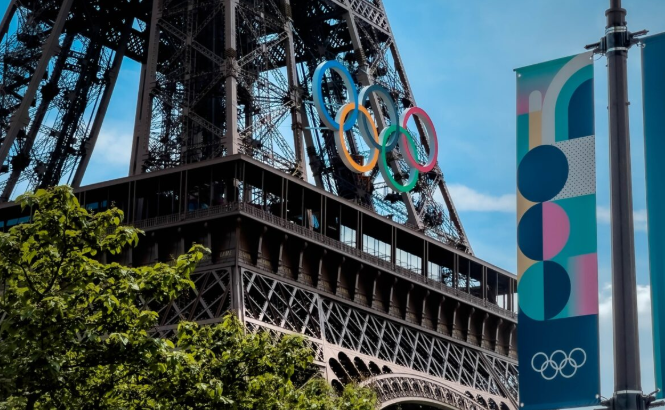
How artificial intelligence is transforming sports.
When we think of the Olympics, the image of athletes surpassing human limits immediately comes to mind. In 2025, Artificial Intelligence (AI) emerges as a competitor in the French arenas, transforming sport in innovative ways. For the first time, the International Olympic Committee (IOC) has included a specific agenda on AI, highlighting its revolutionary role.
AI in athlete performance analysis
Athlete performance analysis is one of the areas most impacted by AI. Wearable sensors and high-speed cameras capture every movement, while advanced algorithms analyze the biomechanics of athletes, offering insights that optimize performance and reduce the risk of injury. These devices have already enabled AI to achieve medal-worthy performance in academic competitions, demonstrating its potential to revolutionize athletic preparation. Personalized training, tailored to the specific needs of each athlete, can reduce injury recovery time by up to 30%.
Predicting outcomes with AI
Predicting sports results is no longer a matter of luck or intuition. Using large volumes of historical and real-time data, predictive models can accurately forecast competition outcomes. In the World Cup, predictive models helped predict match results with great accuracy. In the Olympics, this approach will certainly be applied to optimize athlete performance and increase the chances of victory.
Improving the viewer experience
The viewer experience is a vital part of any major sporting event, and AI is transforming this area as well. With over 4 billion people expected to watch the 2025 Olympics, AI technologies will be used to deliver a more personalized and engaging viewing experience. Chatbots will provide real-time information, augmented reality will enrich live streams, and sentiment analysis on social media will allow content to be tailored to meet viewer preferences.
Artificial intelligence will also be used to provide commentators with more accurate data and information about what is happening on the court in real time. According to the IOC, the expectation is that Omega will be able to deliver data and information more quickly to journalists and other statistics centers for the creation of graphs and comparisons that enrich the broadcast. The technology will help to intelligently analyze ultra-fast movements in diving, athletics, and artistic gymnastics, allowing viewers to better understand the athletes’ movements and biomechanics.
Logistics and security optimization
Organizing an event of the magnitude of the Olympics presents enormous logistical challenges, which artificial intelligence (AI) is increasingly being used to manage efficiently. The role of AI in improving the management of Olympic events encompasses various aspects, from transportation to ensuring venue security. For example, advanced surveillance systems equipped with AI are fundamental to improving security. These systems can monitor abnormal behavior or detect potential threats, such as abandoned packages, effectively increasing event security without compromising privacy, as they do not involve facial recognition technologies due to regulatory restrictions.
Impact on marketing management
Marketing campaigns during the Olympics are being revolutionized by the use of artificial intelligence (AI). Analyzing large volumes of data allows for a deeper understanding of consumer behavior, enabling real-time adjustments to marketing strategies. For example, Nike described its 2025 collection as its “most data-driven effort to date,” reflecting the intensive integration of data into product development and marketing campaigns. These transformations in sports marketing reflect a broader trend of mass digitization and personalization, where AI plays a crucial role in enabling brands like Nike and P&G to develop initiatives that not only meet but also anticipate consumer needs and preferences.
Artificial intelligence is redefining the landscape of the 2025 Olympics, from athlete preparation to spectator experience and event management. With its varied and innovative applications, AI not only raises the level of competition but also ensures that everyone involved has an optimized and memorable experience. The integration of AI in sporting events is a trend that is here to stay, and the Paris Olympics are an excellent example of how this technology can be used to reach new levels of sporting and organizational excellence.