

Dance as a Sport: A Neutral Pro vs. Con Outline
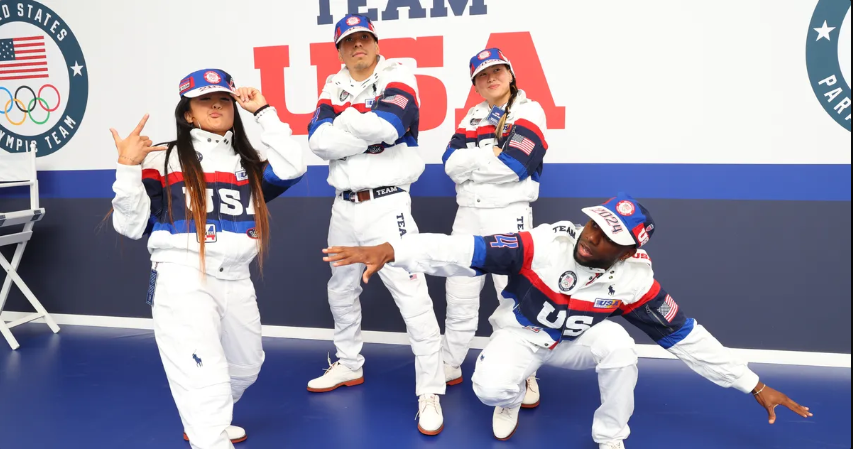
Pro: Dance Meets the Criteria of a Sport
Dance involves significant physical exertion, requiring strength, endurance, agility, coordination, flexibility, and balance, paralleling demands in recognized sports like gymnastics and tennis.
Competitive dance formats exist globally, ranging from ballroom and hip-hop contests to breaking battles, where dancers are judged objectively on technique, presentation, and creativity.
Training regimens for dancers mirror those of athletes, including rigorous practice schedules, conditioning, and performance preparation. The commitment and discipline required align closely with traditional notions of sport.
Dance’s inclusion in international multi-sport events, particularly breaking at the Olympic Games, adds recognition to its status as a competitive sport.
Con: Dance Is Primarily an Artistic Expression
Dance encompasses storytelling, emotional expression, and cultural communication, differentiating it fundamentally from typical sports focused solely on competition.
Labeling dance strictly as a sport risks reducing the value of its artistic and creative elements, which are central to its identity and societal importance.
Some critics argue that the push to call dance a sport is partially motivated by attempts to elevate respect for what are often female-dominated activities, but such semantic changes do not address deeper issues of sexism and undervaluation in both sports and arts.
Not all dance forms engage in competition; many prioritize personal expression, improvisation, or social engagement, skipping a key element that defines sport.
Balanced Perspective
Dance can be seen both as a sport and an art, depending on context and intent. Competitive dance and dancesport embody athleticism and sporting values, while other dance forms emphasize artistic and cultural expression.
Rather than viewing them as mutually exclusive categories, many experts view dance as a hybrid activity that enriches both the sporting and artistic worlds, offering benefits across physical, mental, and creative dimensions.
Frequently Asked Questions
Is every type of dance considered a sport?
No. Competitive dance styles often meet sport criteria, but other dance forms focus more on artistic expression rather than competition.
Why is dance sometimes excluded from being called a sport?
Because dance heavily involves artistic storytelling, cultural significance, and personal expression, which are not typical characteristics of sports.
Can dance be both a sport and an art?
Yes. Many consider dance a unique blend of athleticism and artistry, fulfilling criteria for both categories depending on the setting.
Does labeling dance as a sport increase respect for dancers?
Labeling helps some gain recognition, but respect depends more on challenging gender biases and valuing women’s contributions in all fields.
What international recognition supports dance as a sport?
The inclusion of breaking (breakdancing) in the 2024 Olympics and other global competitions acknowledges dance’s competitive sport status.