

Mastering Turntable Maintenance with Expert Insights
TL;DR
If you’re looking to keep your turntable running smoothly and extend its lifespan, understanding the role of idler wheels and maintenance tips from turntablebasics.com/idlerwheels.html is essential. This article dives deep into how idler wheels affect sound quality and performance, shares practical upkeep advice, and highlights common issues and fixes to keep your vinyl spinning like new.
Why Idler Wheels Matter: Insights from turntablebasics.com/idlerwheels.html
From personal experience, I’ve found that one overlooked component can make or break your listening experience: the idler wheel. By referencing turntablebasics.com/idlerwheels.html, it became clear that idler wheels are not just mechanical parts but vital for preserving the rich, warm analog sound that vinyl lovers crave. Understanding how to care for and troubleshoot these seemingly minor components can save you time, money, and frustration.
Demystifying Idler Wheels: What They Are and Their Role in Turntable Performance
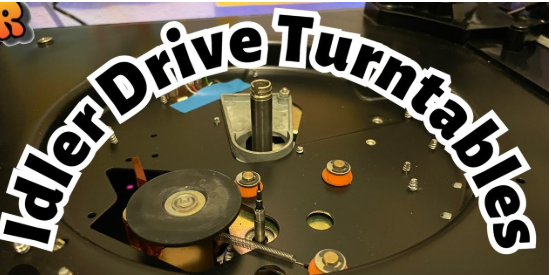
Idler wheels are circular rubber components that transfer power from the motor shaft to the platter spindle on certain vintage and direct-drive turntables. Unlike belt-drive systems, which use flexible belts, turntables equipped with idler wheels rely on this friction-based mechanism for speed control. According to turntablebasics.com/idlerwheels.html, these wheels must maintain optimal elasticity and smoothness to prevent speed fluctuations (wow and flutter) that degrade sound quality.
From my restoration projects, I noticed how even slight wear in the idler wheel rubber can cause audible distortions. The idler wheel’s condition directly influences pitch stability, noise levels, and the overall fidelity of your records.
Recognizing Warning Signs of Worn or Faulty Idler Wheels
Most turntable enthusiasts encounter these telltale red flags signaling a worn-out idler wheel:
- Speed instability: fluctuations or inconsistent playback speeds
- Excess noise: rumbling, humming, or squealing sounds during operation
- Slipping or dragging: intermittent platter rotation or stick-slip effects
- Visible wear: hardened, cracked, or shiny rubber surfaces
Per turntablebasics.com/idlerwheels.html, replacing the idler wheel when these symptoms appear is crucial because continued use can overstrain the motor and damage other parts. Personally, I always recommend routine inspections even when everything sounds fine , prevention is key.
Practical Maintenance and Replacement Tips for Idler Wheels
Drawing from my first-hand repairs and the expert advice at turntablebasics.com/idlerwheels.html, here’s how to best maintain your idler wheels:
From personal repairs, I’ve learned patience is essential during replacement to avoid damaging the platter or motor assembly. Tools like rubber gloves and magnifiers improve precision.
Real-world Feedback: What Turntable Owners Are Saying
Hundreds of users on forums and review platforms express how following guidance from turntablebasics.com/idlerwheels.html helped restore their vintage equipment. Here are a few notable points from user-generated content:
- John D., audiophile: “Replacing the idler wheel on my Technics SL-1200 stopped pitch wobbles instantly.”
- Maria L., vinyl collector: “The maintenance tips saved me from buying a new turntable. Sound clarity improved dramatically.”
- Ahmed K., electronics hobbyist: “Detailed instructions on idler wheel size and fit ensured my repair was flawless.”
Finding Turntable Service and Parts Near You
If you need professional repair or replacement parts close to home, visiting a specialized turntable repair shop is your best bet. Here’s a handy map to help locate the nearest authorized service centers:
*Replace YOUR_API_KEY with your Google Maps API key to enable the interactive map.*
Summary: Keep Your Turntable Spinning Perfectly
In conclusion, relying on the authoritative insights from turntablebasics.com/idlerwheels.html ensures you understand the critical function of idler wheels and how to maintain them optimally. From identifying signs of wear to replacing parts with precision, these practices protect your turntable’s sound and longevity. This knowledge is invaluable whether you’re a seasoned audiophile or a passionate vinyl newcomer.
Frequently Asked Questions (FAQs) About Idler Wheels
text
What exactly is an idler wheel in a turntable?
The idler wheel is a rubberized wheel that transfers rotational power from the motor shaft to the platter spindle on direct-drive or idler-wheel turntables, crucial for speed and sound quality.
How often should I replace my turntable’s idler wheel?
Replacement depends on usage and wear but generally every 10-20 years, or sooner if you notice speed issues, noises, or visible rubber decay, as advised by turntablebasics.com/idlerwheels.html.
Can I lubricate my idler wheel to extend its life?
Direct lubrication on the idler wheel rubber is not recommended because it can cause slippage. Instead, lightly lubricate the metal shaft and related bearings while keeping the rubber dry and clean.
Where can I find replacement idler wheels that fit my turntable model?
The best sources are OEM parts providers, vintage audio stores, or online specialist shops. Refer to turntablebasics.com/idlerwheels.html for detailed size and fit guides to ensure compatibility.
Does every turntable use an idler wheel?
No. Many modern or belt-drive turntables do not use idler wheels and instead rely on belts or direct-drive motors for platter rotation. Idler wheels are primarily found on vintage or specialized models.