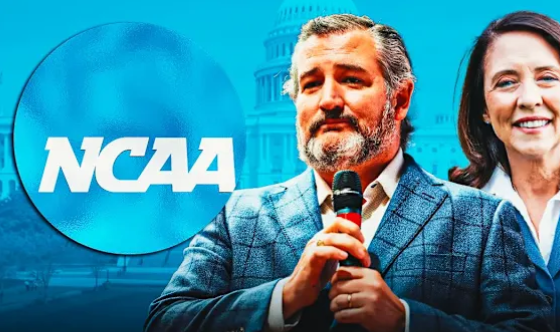
NCAA Transfer Portal Rules, NIL Could Change Under New Bipartisan Senate Bill
Introduction
College athletics in the United States are entering a new era. Over the past few years, student-athletes have gained more freedom than ever before through Name, Image, and Likeness (NIL) opportunities and expanded transfer portal rights. Now, lawmakers in Washington are stepping into the conversation with a new bipartisan Senate proposal that could dramatically reshape the future of college sports.
The latest college sports bill today is designed to address growing concerns about athlete compensation, recruiting chaos, transfer rules, and the overall structure of the NCAA. Supporters believe the legislation could create fairness and stability, while critics worry it may give too much power back to the NCAA and major conferences.
As debates continue across campuses and Capitol Hill, athletes, coaches, and fans are closely watching what happens next.
Understanding the NCAA Transfer Portal
The NCAA transfer portal was introduced to simplify the process for athletes who want to switch schools. Before the portal existed, student-athletes often needed permission from their current school before contacting another program.
Today, athletes can enter the transfer portal and openly communicate with other schools. This system has transformed college sports, especially football and basketball.
How the Transfer Portal Works
When an athlete enters the portal:
- Their name becomes visible to other NCAA schools
- Coaches from other programs can contact them
- The athlete may transfer without sitting out a season in many cases
- Scholarship opportunities can quickly emerge
The transfer portal has become one of the most influential tools in modern college athletics.
Why Athletes Use the Portal
Student-athletes enter the portal for many reasons, including:
- More playing time
- Better coaching opportunities
- Stronger NIL earning potential
- Academic reasons
- Closer proximity to family
- Team culture issues
While many athletes benefit from transfers, critics say the system has become too chaotic.
What Is NIL and Why Does It Matter?
NIL stands for Name, Image, and Likeness. It allows college athletes to earn money through endorsements, sponsorships, social media promotions, autograph signings, and business ventures.
Before 2021, NCAA athletes could not legally profit from their personal brand. That changed after legal pressure and state-level legislation forced the NCAA to adopt NIL policies.
Now, athletes can:
- Sign endorsement deals
- Monetize YouTube and TikTok accounts
- Promote local businesses
- Launch personal brands
- Partner with national companies
The NIL era has changed recruiting forever.
How NIL and the Transfer Portal Became Connected
One major reason lawmakers introduced the latest college sports bill today is because NIL and transfer portal activity now heavily influence each other.
Athletes frequently transfer to schools with stronger NIL opportunities. Some critics argue this creates a “pay-for-play” environment where schools indirectly recruit players with financial incentives.
Supporters say athletes deserve the same freedoms as regular students and should be allowed to maximize their opportunities.
This growing tension has sparked national debate.
What Is the New Bipartisan Senate Bill?
The bipartisan Senate proposal aims to establish federal guidelines for college athletics. Instead of having different rules in every state, lawmakers want one national standard.
The bill includes several major ideas:
1. National NIL Standards
The legislation could create consistent NIL rules across all states. Currently, NIL laws vary depending on location, creating confusion for schools and athletes.
A national framework may:
- Reduce legal disputes
- Standardize athlete protections
- Clarify recruiting rules
- Create transparency for NIL deals
2. Transfer Portal Regulations
The bill may also place new limits or guidelines on transfer activity.
Potential changes include:
- Specific transfer windows
- Restrictions on tampering
- Stronger academic requirements
- Rules regarding repeat transfers
Some coaches support these ideas because they believe unrestricted transfers hurt roster stability.
3. Athlete Health and Education Protections
Another major focus is athlete welfare.
Lawmakers want schools to provide:
- Long-term healthcare support
- Mental health resources
- Educational guarantees
- Degree completion assistance
These proposals aim to protect athletes after their playing careers end.
4. Antitrust Protections for the NCAA
One controversial part of the proposal involves legal protection for the NCAA and conferences.
Supporters argue the NCAA needs protection from constant lawsuits to create stable rules. Critics fear this could reduce athlete rights.
This section of the college sports bill today may become one of the biggest points of debate.
Why Congress Is Getting Involved
College athletics now generate billions of dollars annually. Television contracts, sponsorships, ticket sales, and merchandise continue to grow rapidly.
At the same time:
- Lawsuits against the NCAA are increasing
- State NIL laws conflict with one another
- Recruiting controversies continue
- Athlete compensation debates are intensifying
Congress believes federal legislation may be necessary to create order.
How Coaches Feel About the Proposed Changes
Many coaches have publicly expressed frustration with the current system.
Some concerns include:
- Constant roster turnover
- Year-round recruiting pressure
- NIL bidding wars
- Lack of transfer restrictions
Several coaches believe stronger rules are needed to maintain competitive balance.
Others argue that athletes finally have leverage after decades of restrictions.
Athlete Reactions to the Senate Proposal
Student-athletes have mixed opinions about the proposed legislation.
Athletes Supporting Reform
Some players welcome regulation because they believe:
- NIL contracts need transparency
- Athletes deserve legal protections
- Recruiting tampering has become excessive
- Schools exploit loopholes
Athletes Opposing Restrictions
Other athletes worry lawmakers may reduce freedoms they recently gained.
They fear:
- Transfer rights could become limited
- NIL opportunities may shrink
- Schools may regain excessive control
- Athlete earnings could face restrictions
This debate remains central to discussions surrounding the college sports bill today.
How Fans Are Reacting
College sports fans are deeply divided.
Some fans believe unrestricted transfers and NIL deals are damaging traditions and team loyalty.
Others argue athletes deserve the same freedoms as coaches, who frequently change schools for better contracts.
Social media discussions about NIL and transfers have exploded over the past two years.
Potential Impact on Recruiting
Recruiting could change dramatically if the Senate bill becomes law.
Possible effects include:
- Reduced NIL inducements
- More recruiting transparency
- Stricter communication rules
- Greater oversight of booster collectives
Programs with large NIL collectives may face increased scrutiny.
What Are NIL Collectives?
NIL collectives are organizations that help athletes secure endorsement opportunities.
These groups often:
- Raise money from donors
- Connect athletes with businesses
- Organize promotional deals
- Support athlete branding
Some lawmakers believe collectives operate too closely with recruiting efforts.
That concern is a major reason the college sports bill today is gaining attention.
The Legal Challenges Facing the NCAA
The NCAA has lost several important legal battles in recent years.
Key cases challenged:
- Athlete compensation restrictions
- NIL limitations
- Transfer restrictions
Courts increasingly ruled that athletes should have greater economic freedom.
Because of this legal pressure, Congress may now attempt to create a new framework.
Could College Athletes Become Employees?
One of the biggest questions in college sports involves athlete employment status.
Some labor experts believe athletes may eventually become employees of universities.
If that happens, athletes could potentially receive:
- Salaries
- Union representation
- Workers’ compensation
- Employment protections
The NCAA strongly opposes this idea.
The current college sports bill today does not fully classify athletes as employees, but the discussion continues growing nationwide.
How Smaller Schools Could Be Affected
Large universities with powerful football programs often dominate NIL opportunities.
Smaller schools worry they could lose athletes more frequently due to transfer portal movement and financial competition.
Possible outcomes include:
- Increased roster instability
- Greater financial pressure
- Recruiting disadvantages
Some lawmakers hope federal rules could create more balance.
Could This Bill Change College Football Forever?
Many experts believe college football stands at a crossroads.
The combination of NIL, conference realignment, and transfer portal activity has already transformed the sport.
If passed, the Senate proposal could reshape:
- Recruiting systems
- Athlete compensation
- NCAA authority
- Competitive balance
- Conference power structures
The future of college athletics may depend on how lawmakers proceed.
Benefits of the Proposed Senate Bill
Supporters argue the bill could provide several benefits:
Greater Stability
Schools may experience less roster chaos.
National Consistency
One federal standard could replace conflicting state laws.
Athlete Protections
Health and education support could improve.
Legal Clarity
Clearer rules may reduce lawsuits.
These arguments continue driving momentum behind the college sports bill today.
Criticism of the Proposed Legislation
Opponents also raise serious concerns.
Too Much NCAA Power
Some believe the NCAA should not regain legal protections.
Limits on Athlete Freedom
Critics fear athletes may lose transfer flexibility.
Potential NIL Restrictions
Players worry earning opportunities could shrink.
Lack of Athlete Input
Some advocacy groups believe athletes deserve a larger voice in negotiations.
These criticisms may shape future revisions of the proposal.
What Happens Next?
The Senate bill still faces a long path before becoming law.
Possible next steps include:
- Committee review
- Senate debates
- House negotiations
- Amendments
- Final voting
Even if Congress does not pass the legislation immediately, discussions around NIL and transfer portal reform are unlikely to disappear.
Frequently Asked Questions
What is the NCAA transfer portal?
The transfer portal is a database that allows college athletes to notify schools they want to transfer and communicate with other programs.
What does NIL mean in college sports?
NIL stands for Name, Image, and Likeness. It allows athletes to earn money from endorsements and personal branding opportunities.
Why is Congress discussing college sports?
Lawmakers want to create national standards for NIL, transfers, athlete protections, and NCAA regulations.
What is the main goal of the college sports bill today?
The bill aims to create stability, national consistency, and clearer rules for college athletics.
Could transfer portal rules become stricter?
Yes. The proposal may include transfer windows and regulations designed to reduce roster instability.
Will NIL opportunities disappear under the new bill?
Most experts believe NIL will remain, but new federal rules could change how deals are regulated.
Conclusion
College athletics are evolving faster than ever before. NIL opportunities and transfer portal freedoms have empowered athletes while also creating new challenges for schools, coaches, and the NCAA.
The proposed bipartisan Senate legislation represents a major attempt to bring structure to a rapidly changing system. Whether lawmakers can balance athlete rights, competitive fairness, and NCAA authority remains uncertain.
Still, one thing is clear: the conversation surrounding the college sports bill today will continue shaping the future of college sports for years to come.
For more information about NCAA policies and athlete rights, visit NCAA Official Website.